

Fish School #6: Who’s in Charge?
A Simple Guide to State vs. Federal Fisheries Management

Hi! We’re Fish Forward - a collaborative featuring folks tied to the oceans and the seafood it provides, chefs making seafood approachable to buy and cook at home, and artists inspired by the sea. Subscribe to our newsletter for lessons on sustainable fisheries management and seafood sourcing, recipes, and stories about the communities who connected with the ocean.
Our first Fish School post during our east coast tour fittingly addresses one of the biggest challenges in fisheries management – overlapping state and federal jurisdictions. The states and federal government both play a role in managing the fish we catch in the ocean. While the west coast only has 3 coastal states, the east coast has 14 states that all have to interact with the federal management system!

If fish stayed neatly within jurisdictional lines, this management would be simple. But fish are on the move. Managing these species requires coordination, shared responsibility, and trust.
The state–federal split is a deliberate policy choice to combine local expertise with national standards. States bring place-based knowledge, community relationships, and operational flexibility. The federal system brings consistency, scale, and shared conservation mandates.
How do the state and federal government divide their jurisdictions in the water?
At its core, U.S. fisheries management operates under a simple geographic rule with complex consequences.
States manage fisheries from the shoreline out to three nautical miles (with a few notable exceptions);
The federal government manages fisheries from three to 200 nautical miles, the edge of the U.S. Exclusive Economic Zone (EEZ).
What happens inside that framework is where things get interesting.
What management happens at the state level?
The states manage fisheries as trustees on behalf of their citizens, conserving fish populations while allowing reasonable access for commercial, recreational, and subsistence fishing.
Most states manage fisheries within three nautical miles of the coast. Texas and the west coast of Florida manage out to nine nautical miles, a quirk of history tied to how those states entered the Union. Within these waters, state agencies set seasons, gear rules, catch limits, and licensing requirements. They also conduct stock assessments, habitat restoration, and enforcement, often with limited budgets.
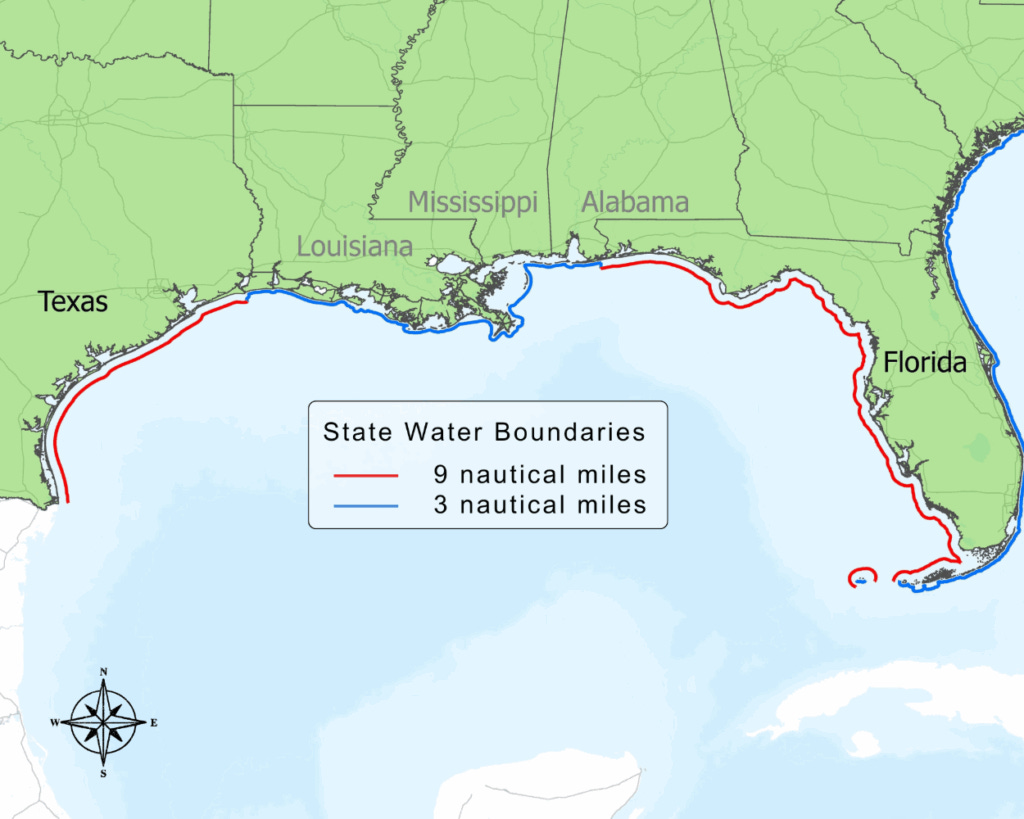
State fisheries management can be nimble and highly responsive to local conditions, like a harmful algal bloom or a short recreational fishery openings. The states are also closest to fishing communities, so can connect directly with fishermen to improve compliance.
What management happens at the federal level?
Once you cross into federal waters (generally 3 to 200 nautical miles), fisheries management is governed primarily by the Magnuson–Stevens Fishery Conservation and Management Act (Magnuson-Stevens Act). You can read more about this Act in Fish School #1: What Makes Seafood Sustainable?

Federal management is more procedural and more prescriptive than state management. The Magnuson-Stevens Act requires managers to use the best scientific information available, mandates rebuilding plans for overfished stocks, and imposes sometimes strict accountability measures to prevent overfishing. This structure has led to significant conservation successes that benefit many states, including the rebuilding of several once-depleted stocks.
The tradeoff is complexity. Federal rules take time—often years—to develop or change. Environmental reviews, public comment periods, and legal requirements ensure transparency and durability, but they can feel slow and frustrating, particularly when ecological or economic conditions shift quickly.
How do we bridge fisheries management across these jurisdictions?
Overlapping fisheries jurisdictions are handled in practice through formal coordination bodies, complementary rules, shared science, and cooperative enforcement.
Formal coordination bodies
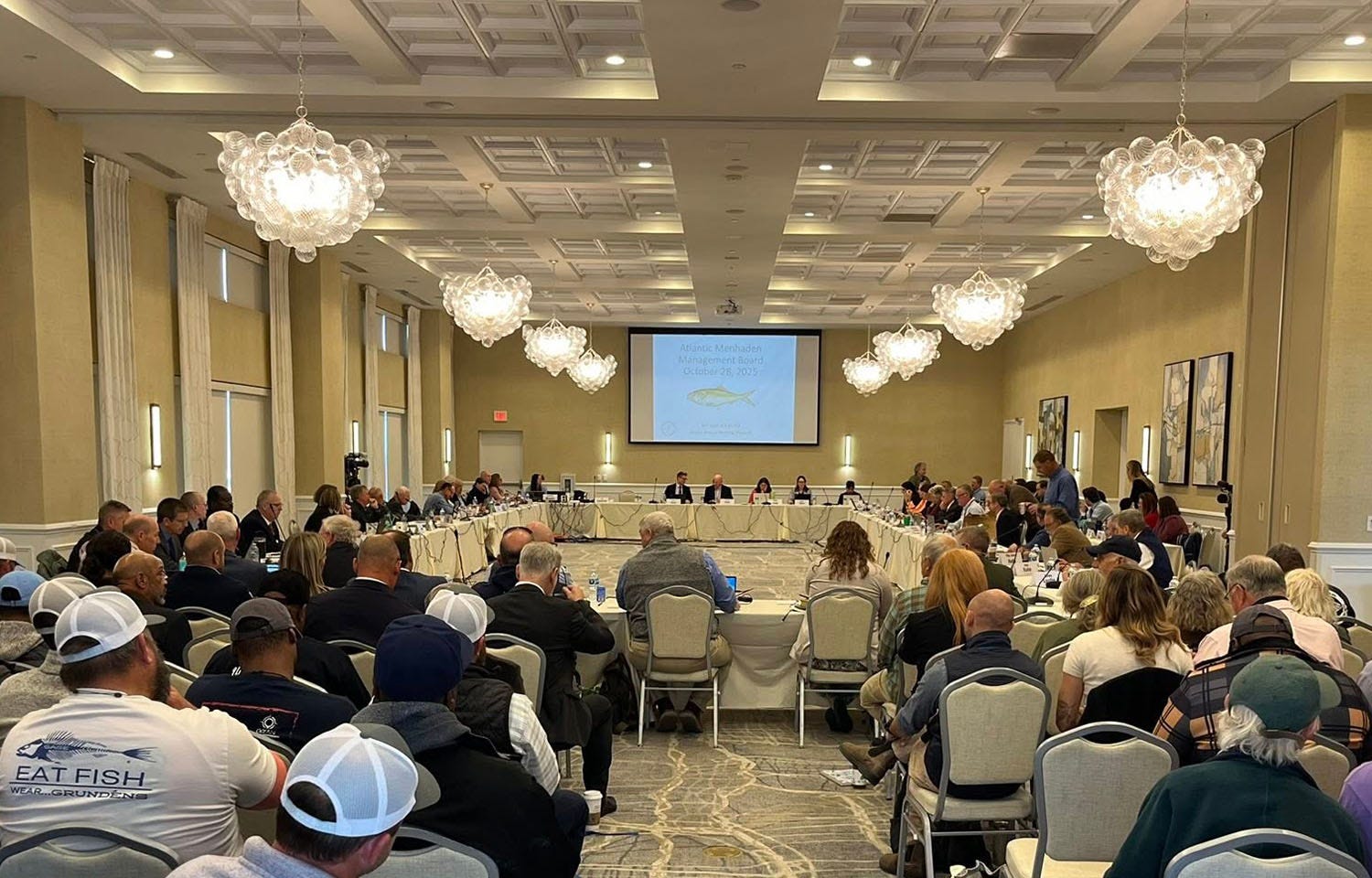
For species that move across multiple state and federal waters, especially on the East Coast, interstate commissions play a central coordinating role. Bodies like the Atlantic States Marine Fisheries Commission develop coastwide management plans for state waters. The Councils often reference or align management with the plans developed at the state level.
For states that sit at the boundaries between Councils (e.g., Florida and North Carolina) state officials sit as voting members on multiple Councils. For example, North Carolina has state representatives at both the Mid-Atlantic and South Atlantic Fishery Management Councils.
Some Councils coordinate through joint committees for a single species. In this case, one Council takes the lead, and the other Council adjusts its measures for consistency.
Complementary, not identical rules
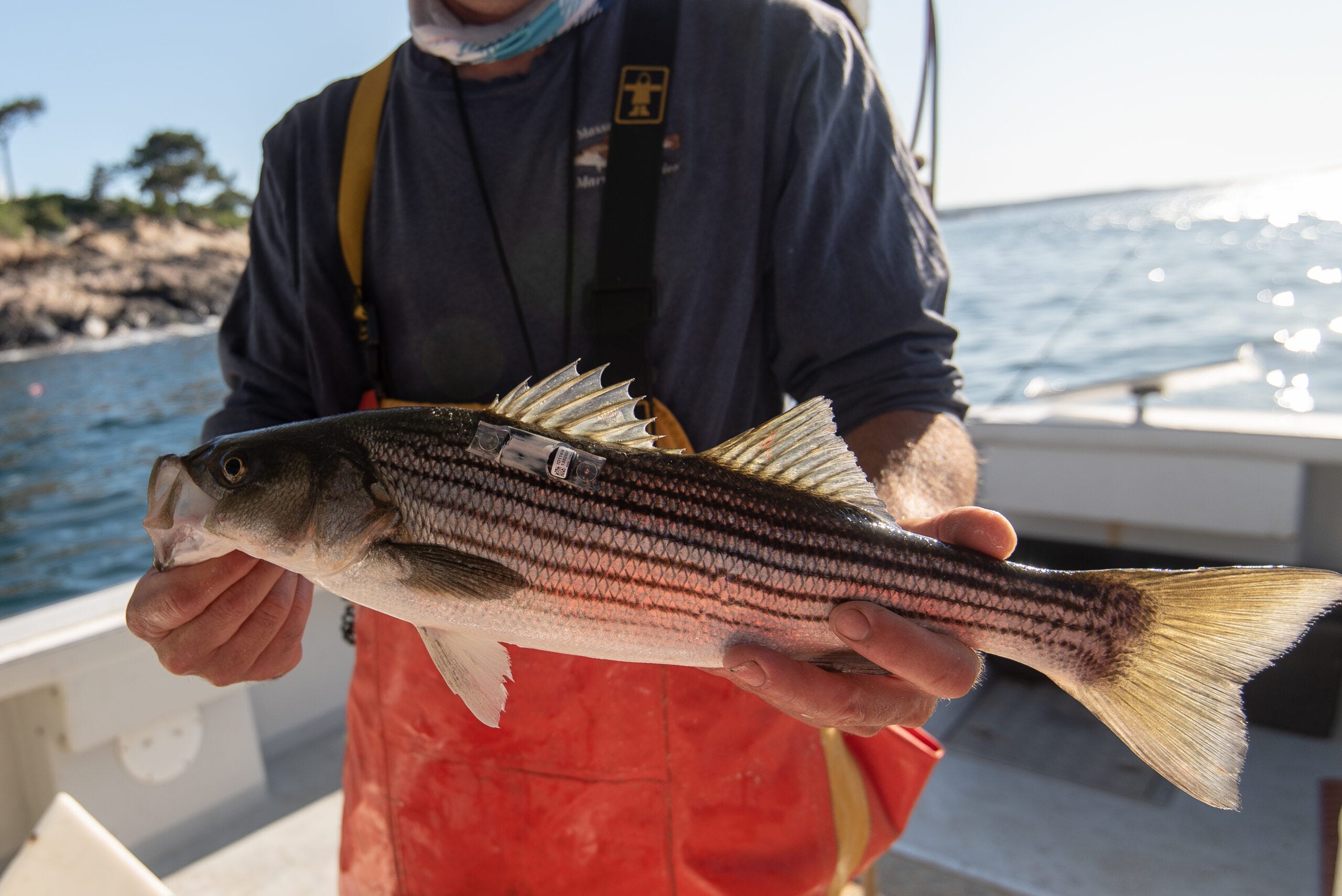
Overlapping jurisdictions do not require identical rules. Instead, managers aim for rules to complement each other at both levels of jurisdiction. For example, states may set size limits and seasons that differ from federal rules but achieve the same mortality targets; or states may close fisheries earlier or later based on local conditions, with federal closures keyed to aggregate catch limits.
Shared Science
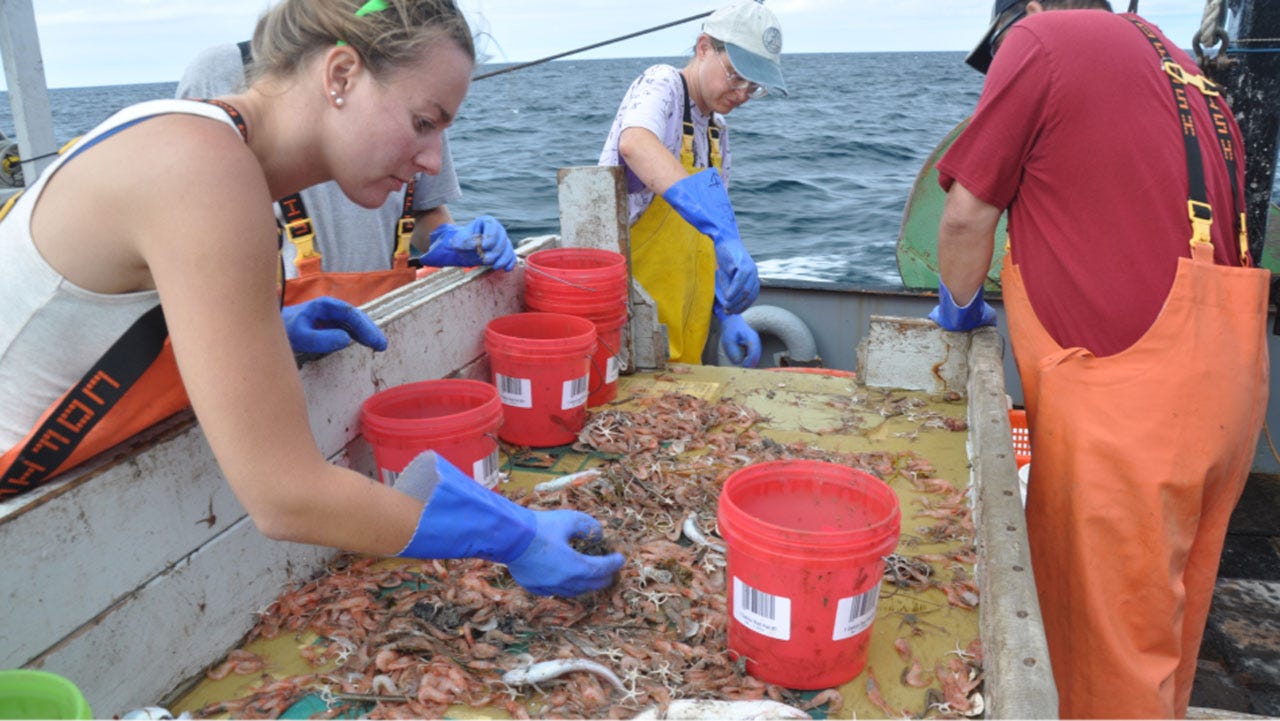
Overlapping jurisdiction only works if everyone is using the same scientific foundation. The federal government usually conducts stock assessments (estimates of stock size and health), or does them in partnership with the states, even when state waters are critical to the stock. States contribute data (landings, surveys, observer programs) that feed into federal assessments.
Cooperative Enforcement
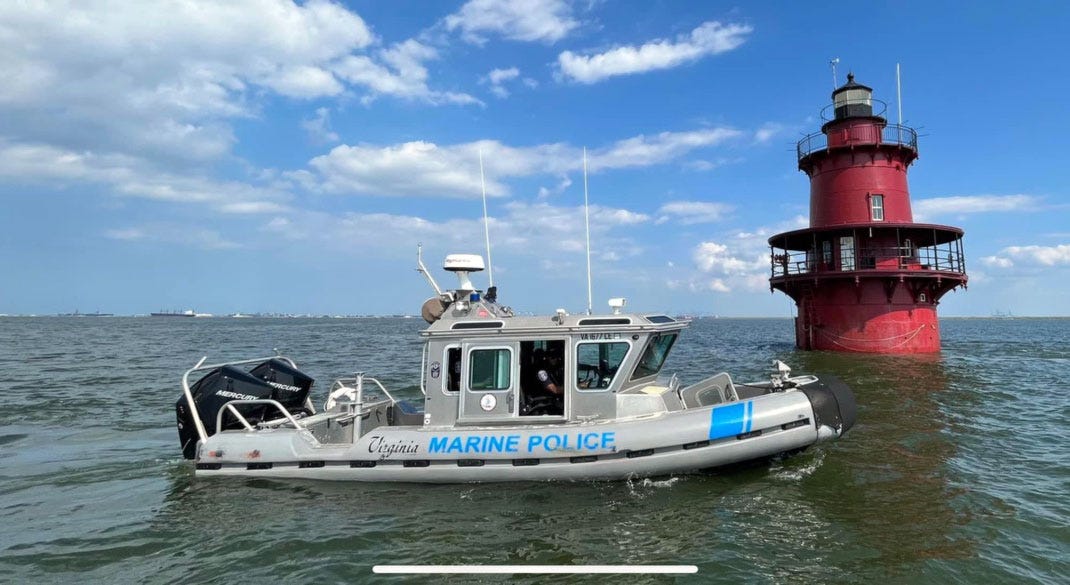
Enforcement is one of the most integrated areas of management. The states and NOAA enter joint enforcement agreements. Officers are often cross-deputized to enforce both state and federal regulations, and enforcement priorities are coordinated to avoid regulatory loopholes (e.g., landing fish caught federally under state rules).
What works about this complex system?
The U.S. fisheries system was designed to force collaboration, not eliminate conflict. Overlapping jurisdictions ensure that no single entity can manage complex, mobile resources in isolation. When it works well, the state and federal government have shared conservation goals, clear scientific benchmarks, and respect for each other’s authorities.
What doesn’t work?
Problems arise not because the system is divided, but because coordination is hard. Climate change is shifting stock distributions. Fishing communities are under economic pressure. Scientific uncertainty is increasing, not decreasing. These stressors test every seam in the management fabric.
We’ll focus on climate change because that is our collective biggest challenge exposing the limits of overlapping jurisdictional systems. As ocean temperatures warm, currents shift, and productivity patterns change, fish stocks are moving across state and federal boundaries in ways that were not contemplated when most management frameworks were designed. Species that were once reliably associated with a particular council region or state fishery now appear earlier, later, farther north, or in entirely new places.
Coordination mechanisms that work well under stable conditions are strained when the underlying assumptions about where fish live and who depends on them no longer hold. In this context, climate change does not simply create new management problems; it accelerates decision-making timelines, amplifies equity disputes among states and fleets, and tests whether existing institutions can adapt quickly enough to manage mobile resources in a changing ocean.
So, Who’s Really in Charge?
Everyone, together, within their lanes.
State and federal fisheries management works best when it is collaborative and complementary, rather than competitive. While the existing system is complex, a single, centralized authority or a fully fragmented system—would likely perform worse. The current model, imperfect as it is, has proven it works.
Wow, that was dry!
Right? Next post we’ll talk about how complex this all feels for fishermen.